Livestock & Agricultural Fence Installation
Cattle fencing, pasture boundaries, ranch perimeters, and agricultural wire systems, built for Central Kentucky's working land and the livestock that depends on it.
Agricultural Fencing That Holds Up to Kentucky Livestock
Central Kentucky runs on agriculture, cattle operations, hay farms, crop land, and mixed-use properties that need fencing built for containment, durability, and the realities of working livestock. A fence that can't hold a 1,200-pound bull pushing against it on a hot afternoon isn't a fence. It's a liability.
At Chafin Fence, we install agricultural fencing across Lexington and the surrounding Bluegrass region, high-tensile wire, woven wire, board fencing, and combination systems designed for cattle, livestock, and large-acreage boundary containment. Every installation is built for the terrain, the animals, and the long term.
Looking for equine-specific fencing? See our dedicated horse & equine fencing page. For general farm boundaries, visit our farm fencing overview.
Three Systems for Every Operation
Every farm and ranch has different containment needs. Here are the three fence systems we install most across Central Kentucky's agricultural properties.
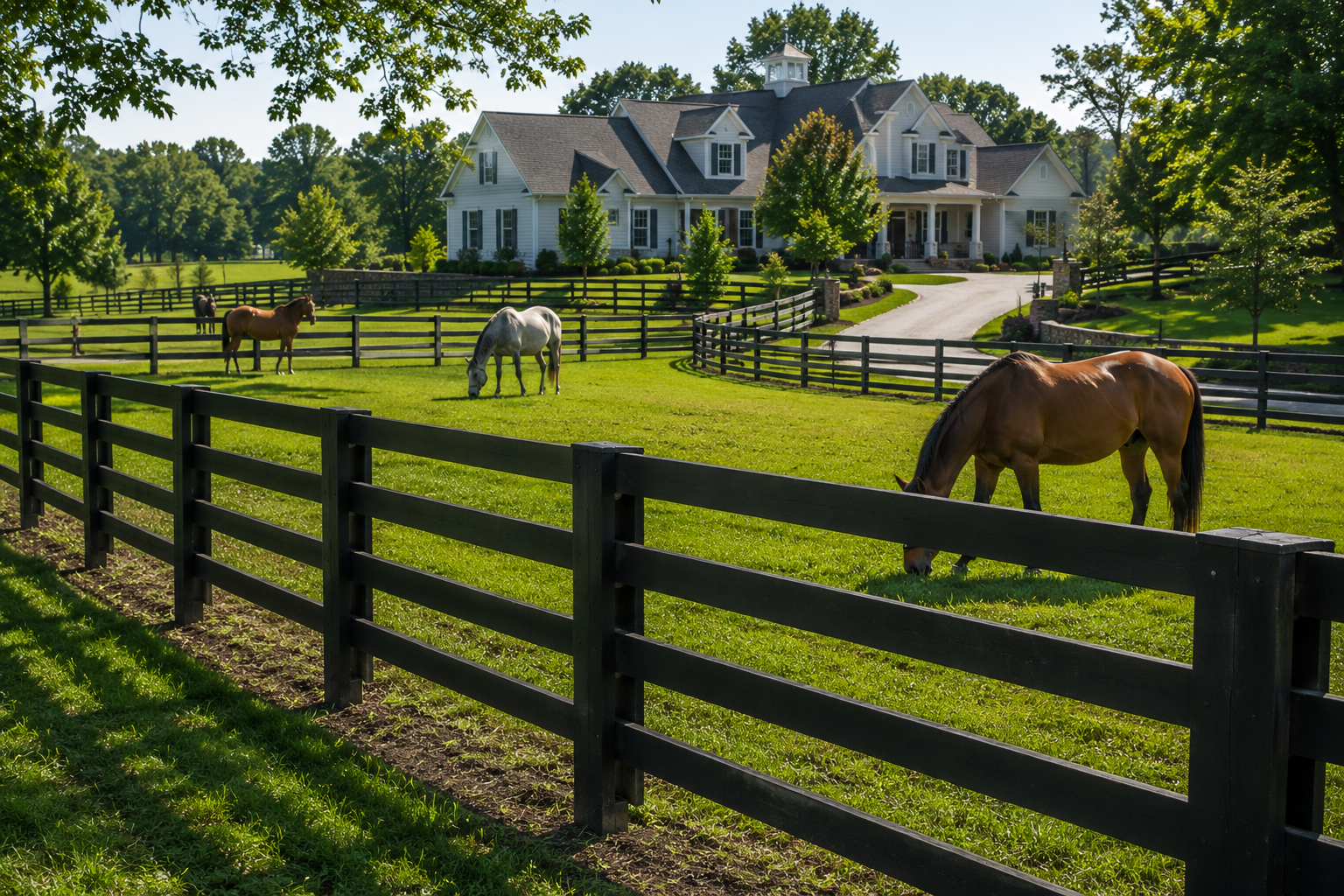
The Visible, Heavy-Duty Boundary
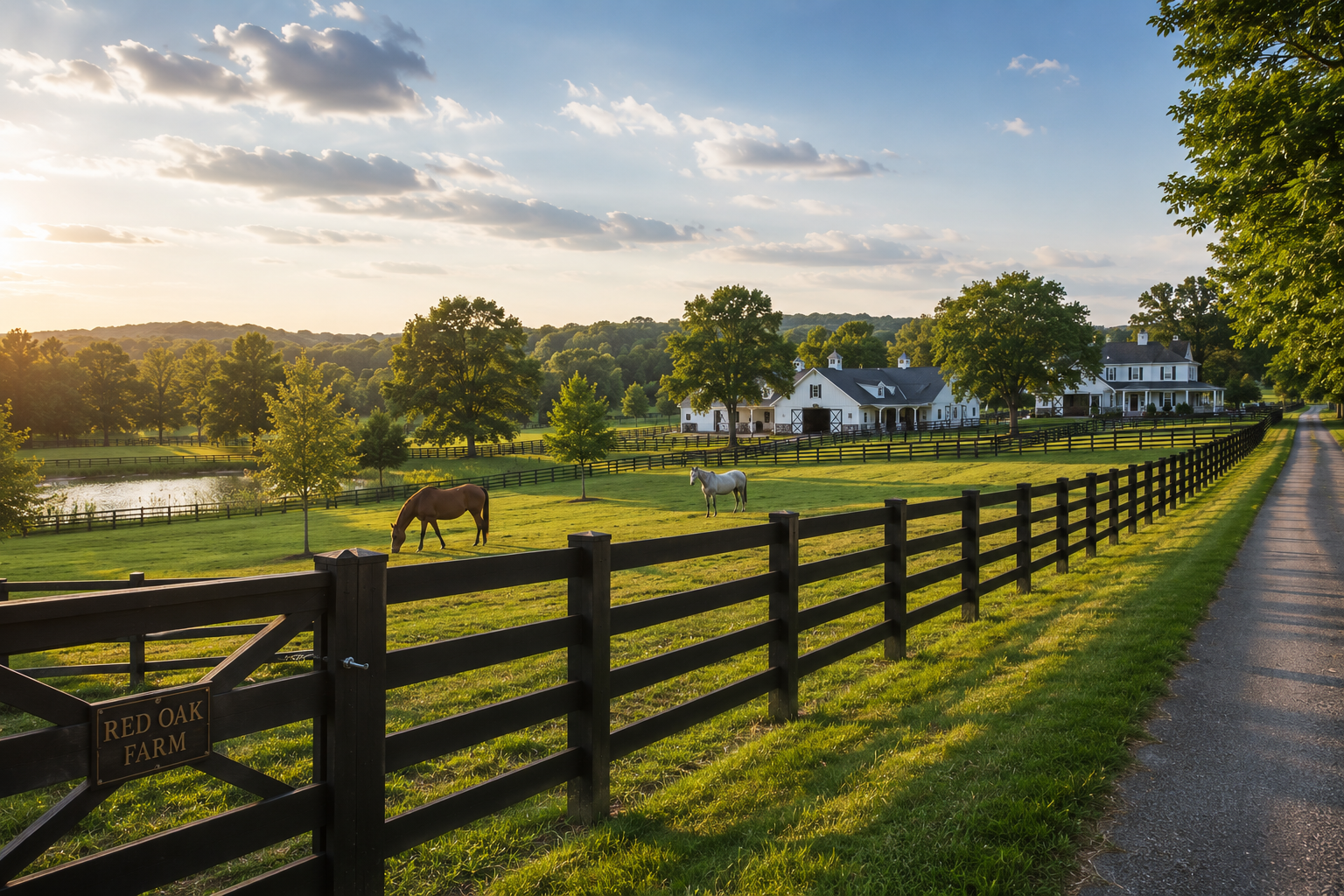
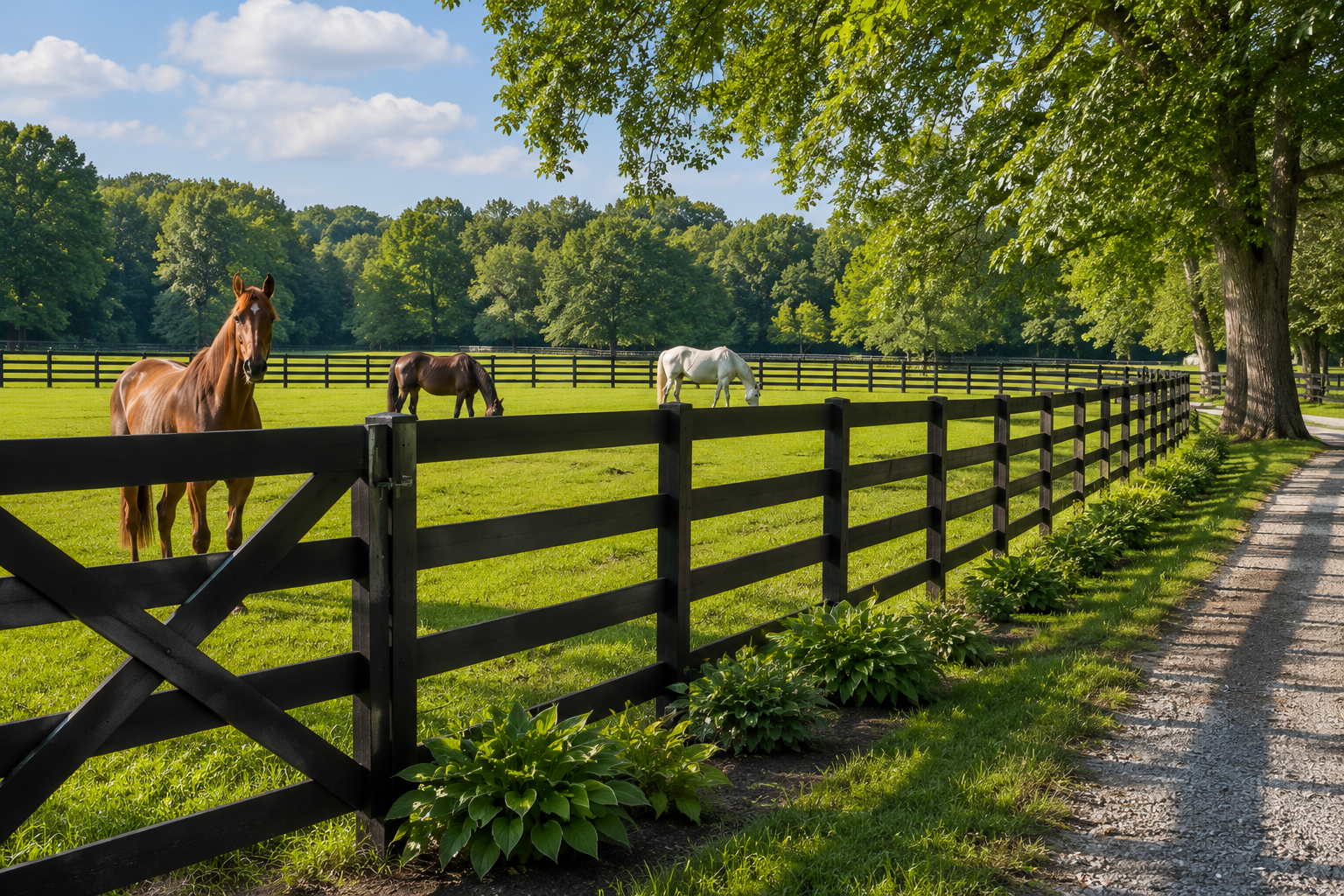
Board fencing provides maximum visibility and a strong physical barrier. Three- and four-rail configurations contain cattle, horses, and large livestock through sheer structural presence. Ideal for front pastures, working pens, corrals, and any area where the fence needs to be seen and respected.
View farm fencing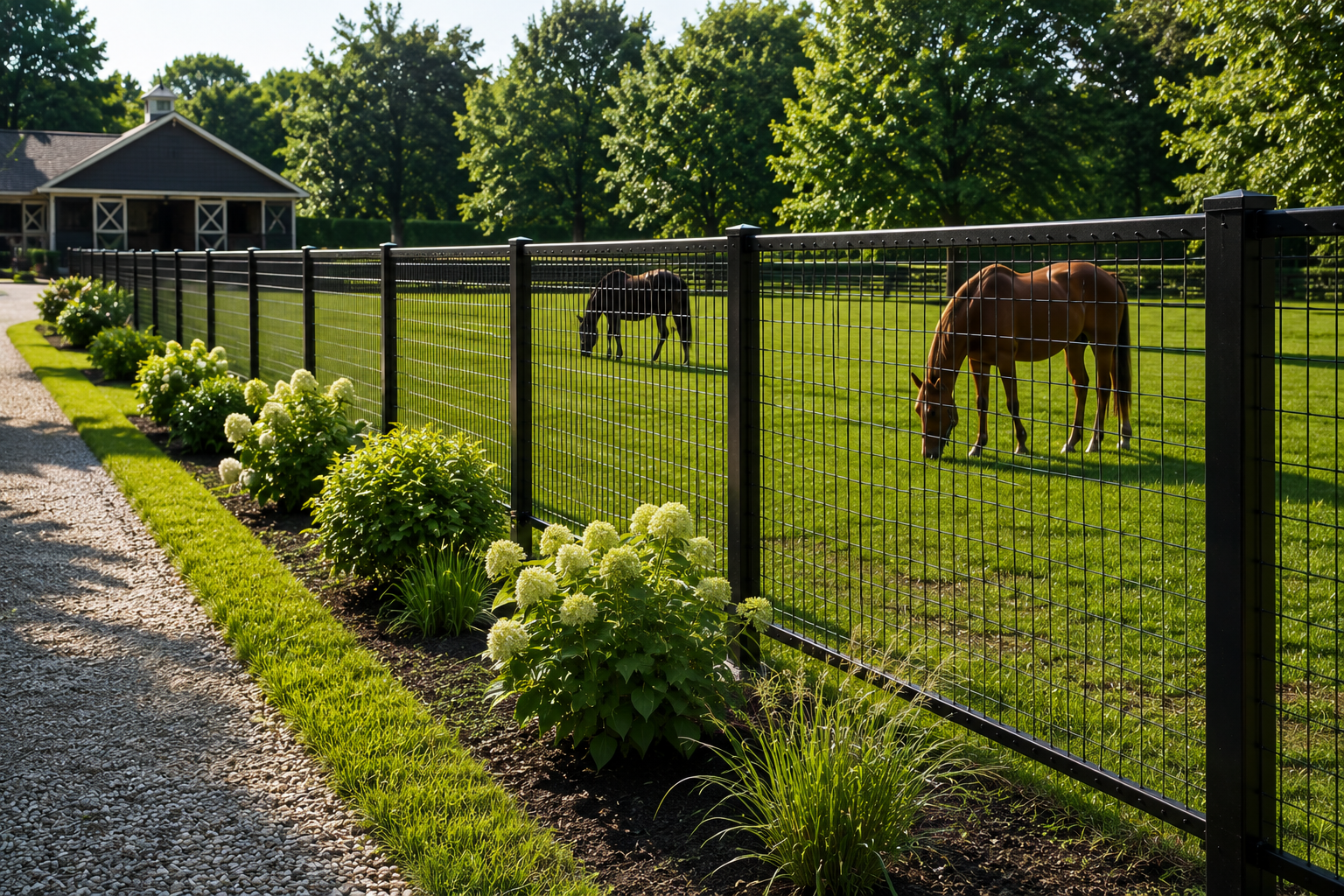
The Multi-Species Containment Standard
Woven wire (field fence) creates a solid mesh barrier that physically blocks livestock from pushing through, critical for calves, goats, sheep, and mixed herds where smaller animals would slip through board gaps or wire strands. Installed with a wooden top rail for visibility and structural strength across large pastures.
View equine fencingMaximum Acreage, Minimum Cost
High-tensile wire covers the most ground for the least cost per foot. Individual smooth wire strands stretched under high tension between posts, fewer posts needed, faster installation, and highly effective for mature cattle that respect a wire boundary. Pairs with electric offset for added deterrence on large-acreage operations.
View fence repairYour Fence Has One Job: Keep Livestock In
Everything we build is engineered around that reality. The right material, the right height, the right post depth, and the right tension, matched to the animals, the terrain, and the operation.
From First Call to Finished Fence
Property Walk
We walk your fence line, assess terrain, discuss herd size and containment needs. Free estimate.
Material Selection
Board, woven wire, high-tensile, or combination. Matched to your livestock and your budget.
Utility Locates
Kentucky 811 before any digging. Site prepped for clean installation.
Installation
Posts set deep. Wire tensioned. Gates plumbed. Built for livestock pressure and Kentucky weather.
Walkthrough
Final inspection of every post, wire, and gate. 5-year craftsmanship guarantee.
Agricultural Fencing Built to Last
Five-Star Service Across the Bluegrass
"Not only does our fence look amazing, Nick and his crew were so easy to work with. They were helpful in a difficult situation and were happy to go above and beyond! Honestly can't recommend this company enough."
"My husband and I could not be happier with the work Nick and his guys did with our fence! Communication was great, along with quality. Would definitely recommend Chafin Fence."
"We love our new fence and so do our dogs! Highly recommend Chafin. They were so efficient and thoughtful throughout the whole process."
"Nick and his team were great to work with! They did an absolutely amazing job on our fence!"
Common Questions From Farm & Ranch Owners
Ready to Fence Your Farm or Ranch?
Free on-site consultations across Lexington and Central Kentucky. We'll walk your fence line, talk livestock, terrain, and budget, and put together a firm quote, no obligation, no pressure.